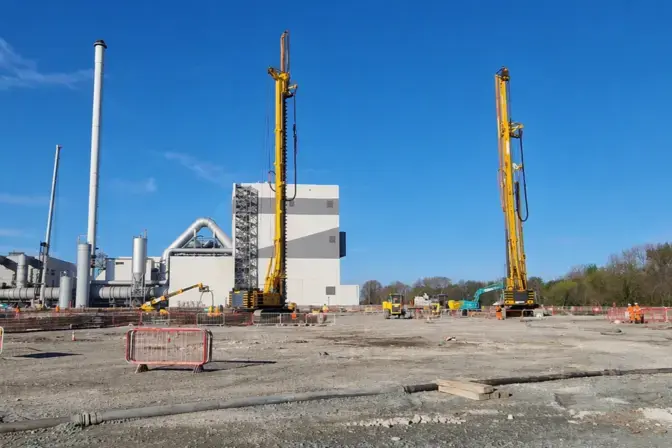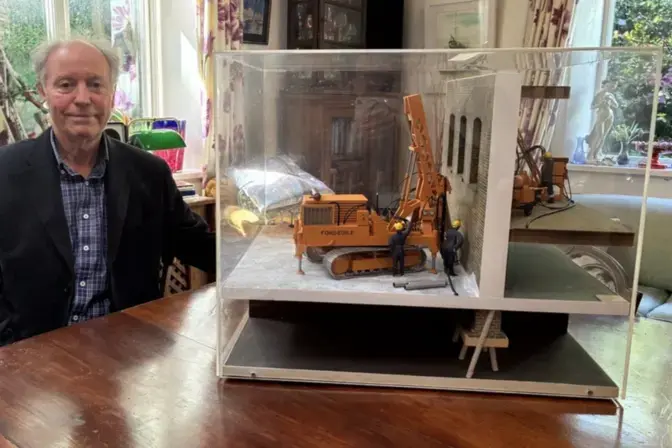
Keller is laying the foundations for a £1.25 billion transformation of the UK’s largest steelworks into a state-of-the-art low-carbon facility.
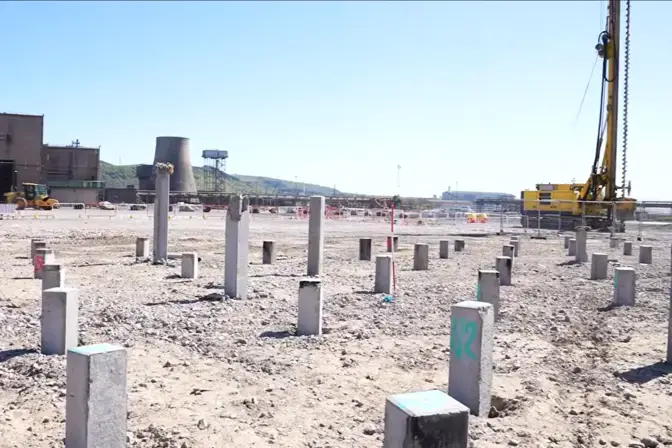
Tata Steel UK is developing its Port Talbot site, in South Wales, as it switches from traditional ore-based production to a ‘green’ scrap-steel-fed electric arc furnace.
As part of Project Invictus, Keller is installing more than 1,350 piles in total to support the construction of the electric arc furnace, fume extraction plant, and the Consteel conveyor.
Once operational in 2028, the new facility will produce around three million tonnes of high-quality steel per year.
Keller was appointed by Tata Steel UK to carry out the ‘significant’ foundations work alongside principal contractor Sir Robert McAlpine.
A combination of rotary bored, continuous flight auger (CFA), driven precast concrete and restricted access piles will be installed.
During the initial work, more than 660 standard precast piles of varying sizes were installed, along with rotary bored preliminary test piles.
Port Talbot in pictures
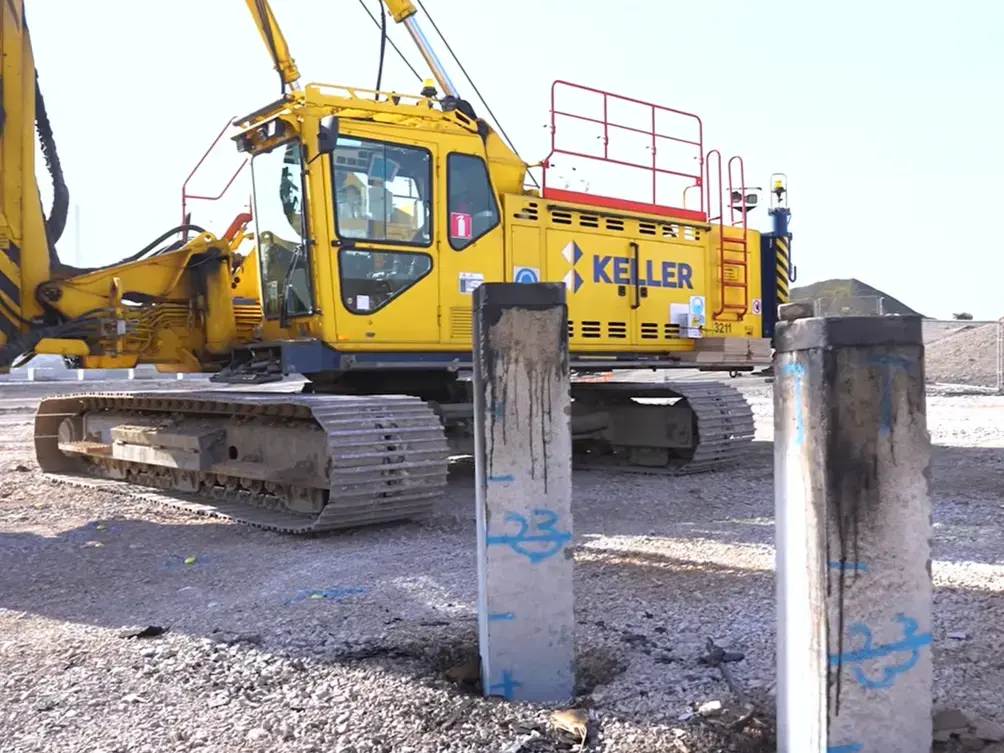
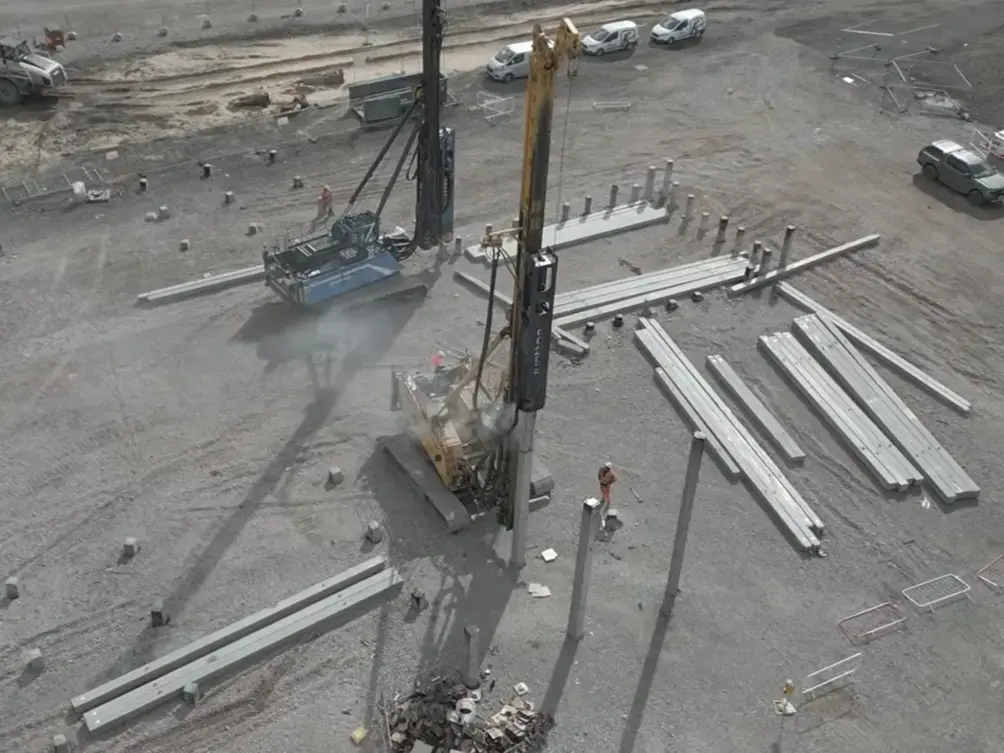
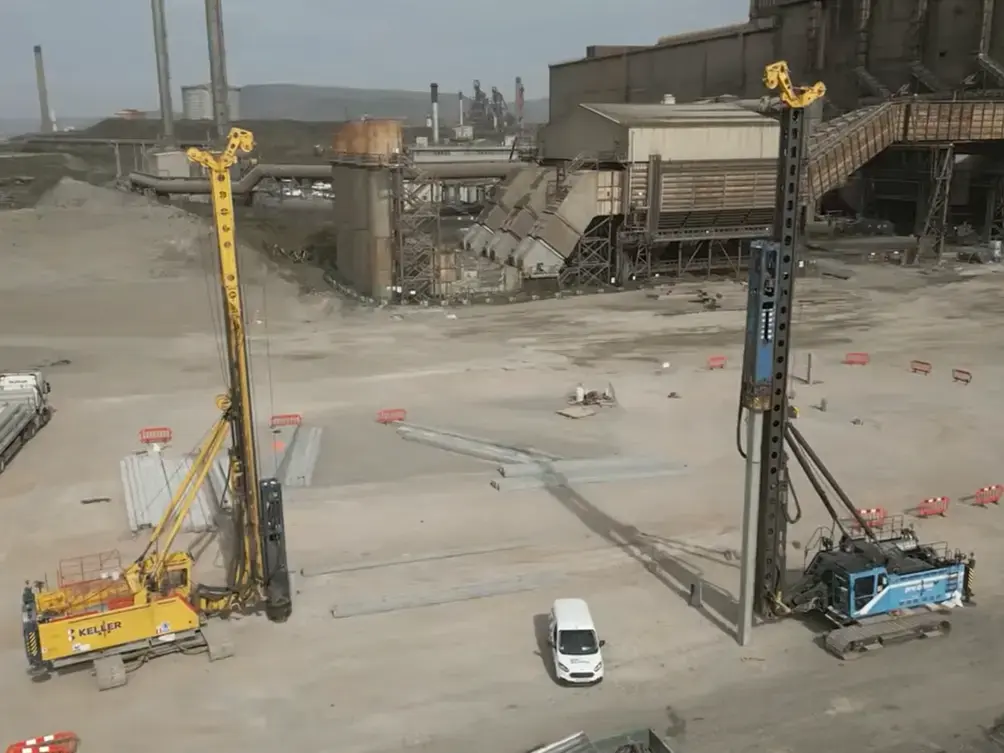
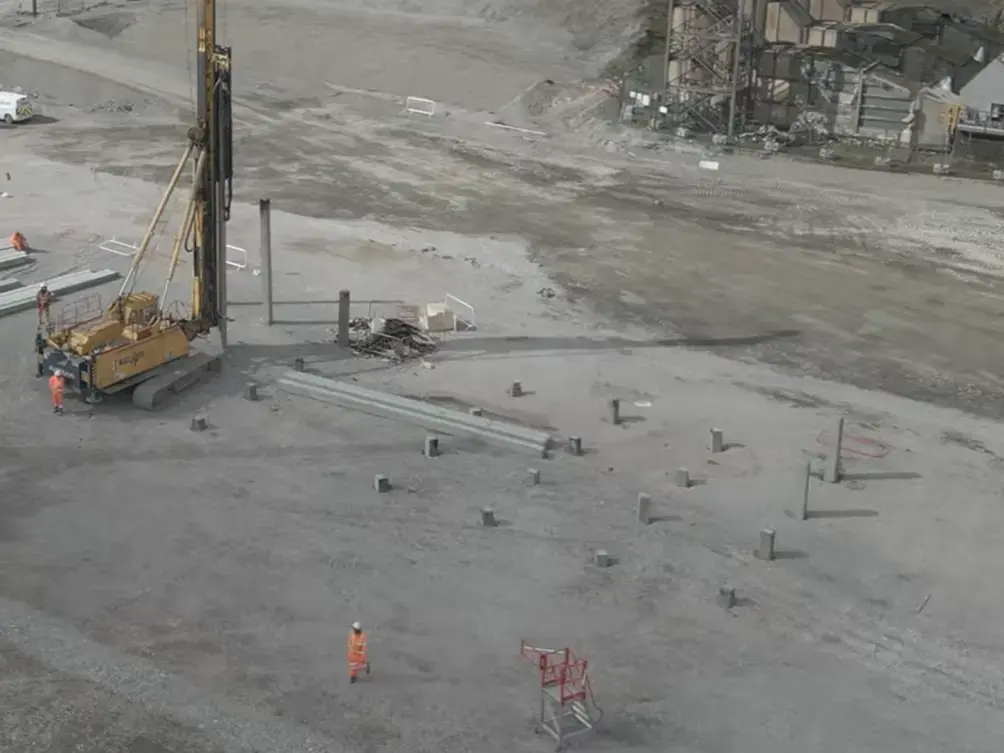
Significant role
In the second phase, which started in July, Keller is installing 140 large-diameter rotary bored piles, reaching depths of up to 36.5 metres.
The CFA piling works will form a significant part of the scheme, with more than 330 piles installed across multiple diameters, some reaching depths of more than 31 metres.
Keller will also be installing more than 200 restricted access piles in areas with limited working space.
Richard Smith, Keller’s Preconstruction Manager – Foundations, said: “We are proud to play a significant role in preparing the site for the construction of the new electric arc furnace, which will help secure the long-term future of steel manufacturing at Port Talbot.
“By offering multiple foundation and ground improvement techniques, Keller is not constrained to a single approach and can instead select or combine methods that best meet project-specific constraints.
“This flexibility allows us to optimise designs, reduce material usage, and improve efficiency while maintaining performance requirements.”
- This article first appeared in the Summer-Autumn edition of Keller Insight.