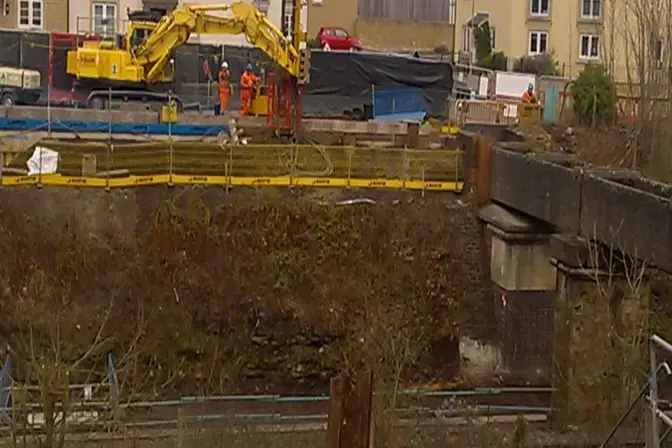
Minipiles are a deep foundation element constructed using high-strength, small-diameter steel casing and/or threaded bars.
Process
The casing, with a diameter generally in the range of 200-600mm is advanced to the design depth using a drilling technique.
Reinforcing steel, typically an all-thread bar, is inserted into the minipile casing and high-strength cement grout pumped in. The casing may extend to the full depth or end above the bond zone with the reinforcing bar extending to the full depth.
Capacities vary depending on the minipile diameter and subsurface profile but compressive capacities of more than 1000kN have been achieved.
Specialist Contact | Anthony Lucas - [email protected] - +44 (0)7908 502122
Common uses
- Provide structural support to most structures
- Underpin foundations
- Enhance mass stability
- Transfer loads
Advantages
- Can be installed in restricted access and low headroom sites with minimal disruption to operations
- Resists compressive, uplift/tension, and lateral loads
- Piles can bond with existing structures such as bridge foundations to support loading increases
- Alleviates quality assurance concerns associated with cast-in-place piling in weak soils
- Can be combined with other techniques to meet unique or complex project requirements cost-effectively and efficiently
- Electric rigs can be used to reduce carbon emissions
Quality assurance
Keller has vast minipiling experience in all ground conditions with the ability to design in-house based on subsurface conditions, structural requirements and environmental limitations.
Related techniques
Related solutions
Related projects
Commercial
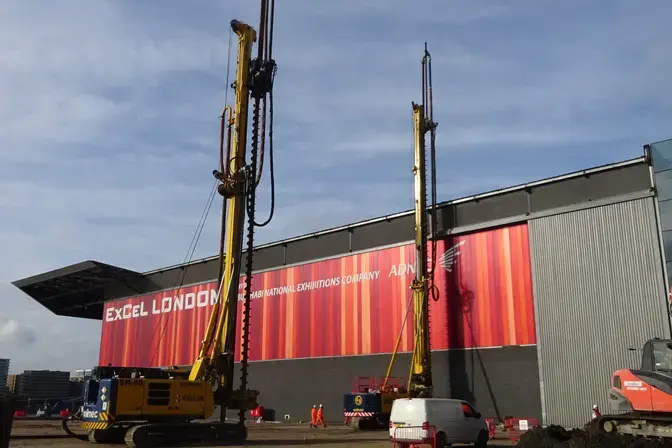
Excel Exhibition Centre, Phase 3
ExCeL London is expanding its exhibition areas to include a new continuous event space to the east of the site. The Phase 3 expansion will increase the venue’s total event space by 25%, approximately 25,000sqm.
Commercial
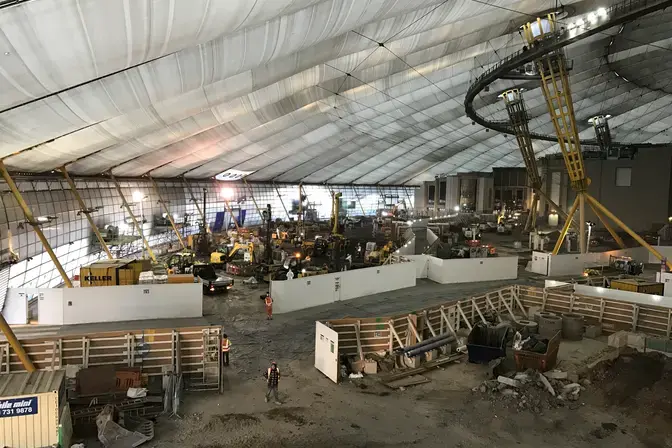
Project Mint, O2 Arena
The world-famous O2 Arena (formerly the Millennium Dome) underwent a two-year £71m upgrade project in 2018.
Institutional/public
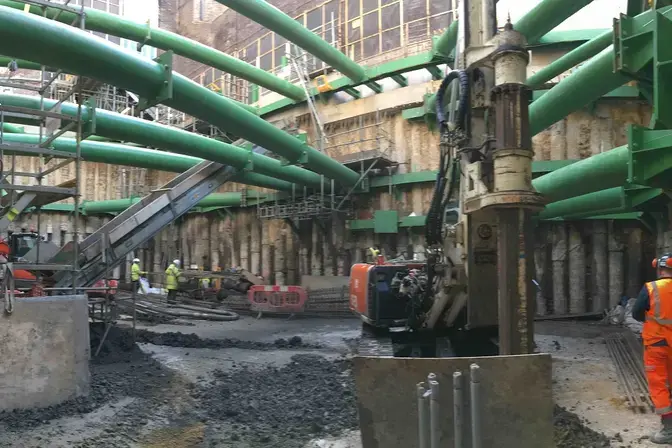
141 Harley Street
Keller's specialist restricted access team designed and constructed a 73 linear metre secant piled retaining wall and a 35 linear metre contiguous piled retaining wall using mini piles to allow for the construction of a basement 15m below Harley Street for a new clinic.
Power
Shoreham Port Wind Turbines
To provide the Shoreham Port facilities with a form of green energy, the Port needed to built two nED100-type wind turbines on the shoreline.
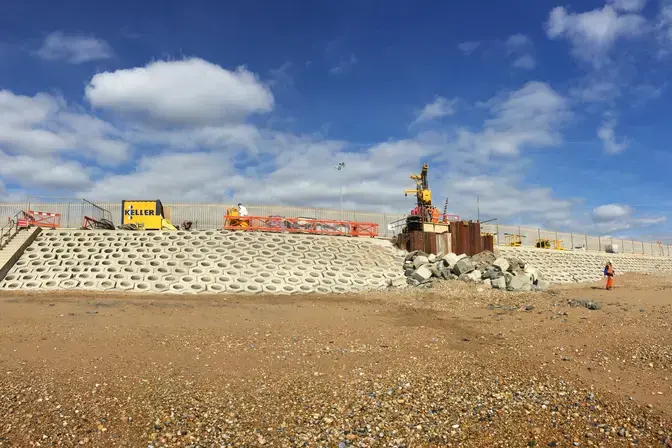
Infrastructure
Corsham Aqueduct
A new aqueduct was required over the Great Western Railway in Wiltshire as part of electrification plans.